
2026 Digital Equity Spark Grants Informational Webinar
August 20, 2026
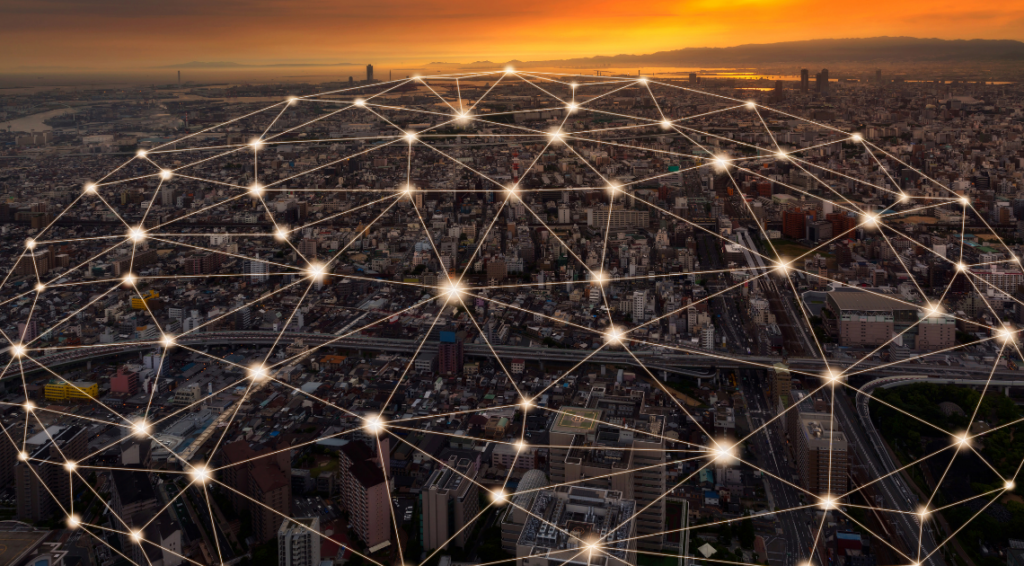
Access to digital technology and reliable Internet dictates access to education, healthcare, jobs, and meaningful engagement in democracy. The Michelson 20MM Foundation strives to close the digital divide in all its forms, particularly among underserved and historically marginalized communities. One of our goals is to create a future in which all individuals have the broadband access and capacity needed for full participation in our society, democracy, and economy.
Michelson 20MM builds awareness of and works to close the “digital divides.” We do so through paradigm-shifting policies and convenings of cross-sectoral leaders to increase investments in innovative solutions.
This year, Michelson 20MM will continue investing through the Michelson Spark Grants program to surface and scale additional solutions to these critical issues.
The 2026 Digital Spark Grants funding cycle opens on August 31, 2026, and closes on September 15, 2026.
This Digital Equity Spark Grants funding cycle seeks to fund projects that support systems-level strategies with potential to create positive impact at scale and inform State and local public policy. We’re looking for big solutions for big problems.
Funding Cycle Focus Areas
Given the complexity of securing funding for programs and initiatives that fully address digital inequity, we welcome proposals where Spark Grant funds are coupled with multiple funding streams.
We will not fund initiatives that provide direct assistance to students during this round (e.g. laptops or hotspots for remote learning). While we realize there is a tremendous need for this type of direct support, we are leveraging our funding to effect broader systemic change.
For this funding cycle, we will focus on organizations that are doing work in California.
We are interested in supporting initiatives that address the following:
- Digital Discrimination – Internet Access as a Civil Right: Efforts that document and address the impact of different forms of digital discrimination on our most vulnerable communities. The projects should provide tools to combat digital discrimination and promote equitable access to broadband throughout California. We seek to grow awareness and uplift the needs of underserved communities that have been deliberately excluded from connectivity by systematic redlining and disinvestment. These may include, but are not limited to:
- Efforts that highlight disparities in broadband access, and hold government and private institutions accountable to communities
- Storytelling, surveying, and testimonial-gathering that helps direct public and private investments to communities to address digital inequities
- Efforts that center community voices impacted by digital inequity through civic journalism, for community resilience and systems change
- Data and research that contributes to transparency around internet service providers (ISP) practices and services for use in collective community advocacy efforts
- Broadband as a Utility – Policy Advocacy and Civic Engagement: Efforts that increase civic participation in digital equity policy-making and regulatory processes at the local, regional, or state-level with the goal of recognizing internet service as a public utility – and enabling universal access to high-speed, reliable, affordable broadband for all. This includes the education of state policy-makers on key digital equity issues.
- Projects may feature efforts focusing on education, capacity-building, and the equitable implementation of digital equity policy.
- This may include policy efforts that improve internet affordability, network reliability, and access to broadband.
- Digital Equity and Economic Mobility: Efforts that address digital inequity and its impact on economic mobility for all Californians, are scalable across the state, and bridge the digital divide in at least one of the following issue areas:
- Higher Education (i.e.: Research on the impact of digital inequity on college students)
- Economic Opportunity (i.e.: Workforce development; equitable access to seeking, applying, and securing jobs)
- Access to Public Benefits (i.e.: Removing barriers to government service delivery)
- Housing and Renters’ Rights (i.e.: Access to fair and affordable housing, protection of renters’s rights to internet choice)
Funding Cycle Details
- We will award grants of up to $25,000 in support of initiatives that address our focus areas.
- Given the complexity of securing funding for programs and initiatives that fully address digital inequity, we welcome proposals where Spark Grant funds are coupled with multiple funding streams.
- We will not fund initiatives that provide direct assistance to students during this round (e.g. laptops or hotspots for remote learning). While we realize there is a tremendous need for this type of direct support, we are leveraging our funding to effect broader systemic change.
Join Us to Learn More
On August 20th, members of the grant committee will host an informational webinar, which will provide an in-depth overview of the Spark Grants Platform, highlight past awardees, and include time for attendee questions.
About the Michelson 20MM Foundation
Michelson 20MM is a private, nonprofit foundation working toward equity for underserved and historically underrepresented communities by expanding access to educational and employment opportunities, increasing affordability of educational programs, and ensuring the necessary supports are in place for individuals to thrive. To do so, we work in the following verticals: Digital Equity, Intellectual Property, Smart Justice, Student Basic Needs, and Open Educational Resources (OER). Co-chaired and funded by Alya and Gary Michelson, Michelson 20MM is part of the Michelson Philanthropies network of foundations.
To sign up for our newsletter, click here.
EVENT DATE
August 20, 2026
TIME
11:00 AM –
12:00 PM
LOCATION